


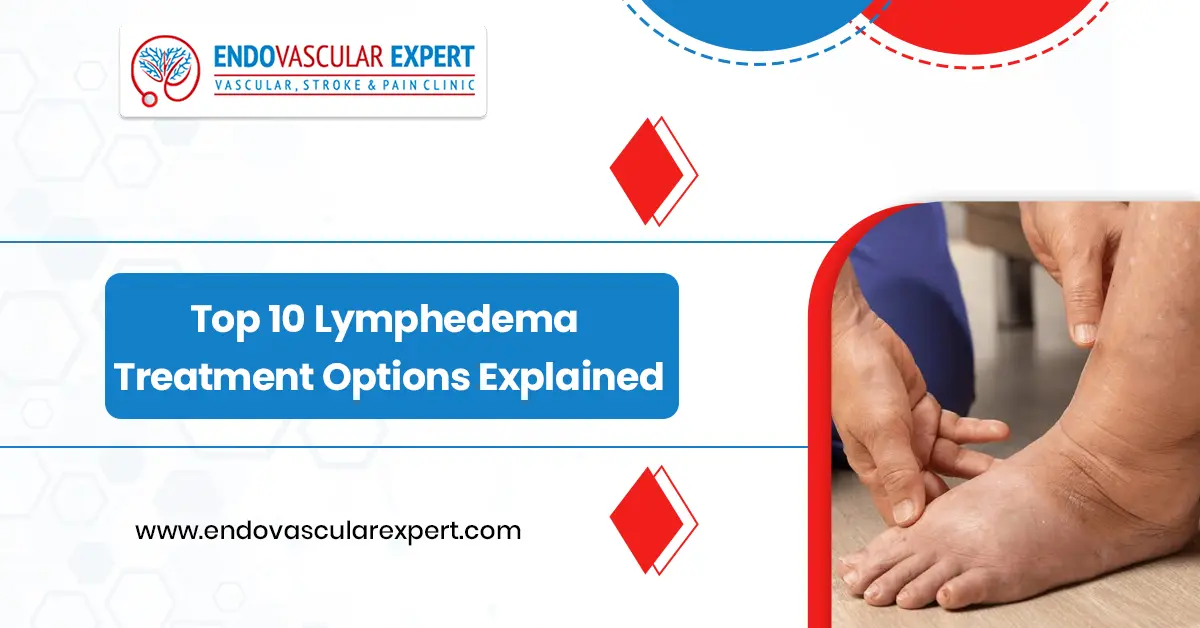
When an arm or leg is swollen, feels heavy, or becomes uncomfortable during normal activities, lymphedema can be frustrating. It occurs when lymph fluid accumulates in the tissues, rather than draining appropriately. But treatment can make a real difference, and it may need to be long-term. So here are the top 10 Lymphedema Treatment options to know about.
1. Compression Clothing:
Compression is one of the simplest ways to help manage Lymphedema treatment for legs, such as swelling. Sleeves, stockings, or wraps are used to apply gentle pressure to the affected area, and this prevents the buildup of excess fluid. Fit is also important; that is why if the garment that is too tight or too loose may not work properly. Your doctor or therapist can help you decide the size and amount of compression that is right for you.
2. Manual lymphatic massage
This is a nice, gentle massage technique. Not a deep tissue massage. A trained therapist uses light movements to encourage the lymphatic fluid toward areas where it can drain more normally. It is normally used in combination with compression, movement, skin care, and not as a single entity.
3. Exercise and Movement
Regular muscle activity helps support the movement of lymph. That is why lymphedema exercise should be introduced gradually and increased as your body becomes comfortable. Exercise for lymphedema activities include:
- Walking, swimming, and cycling
- Light stretching
- Light reinforcement
The goal is regular movement, not exhaustive workouts
4. Compression Bandaging
When swelling is more severe, bandaging may be used to bring the size of the affected limb down. Short-stretch bandages are generally applied as part of a structured treatment plan. Once the swelling improves, compression garments may help maintain the result. Bandaging should be done with proper guidance rather than at home without instruction.
5. Skin Care
Skin care is one of the top 10 Lymphedema Treatment that may seem trivial, but it is important when you have lymphedema. The swollen area can be more susceptible to infection, so a little daily upkeep can help. Remember these simple habits:
- Keep skin clean and moisturized.
- Try to avoid cuts, burns, and insect bites.
- Clean and cover any small wound well.
- Look for redness, warmth, swelling, or increasing pain.
6. Complete Decongestive Therapy
Sometimes one treatment is not enough. Lymphedema Treatment may combine several approaches, usually including compression, exercise, skin care, and manual lymphatic drainage. The first stage focuses on reducing swelling. Once the limb improves, the focus shifts to keeping the swelling under control at home.
7. Pneumatic Compression
The pneumatic compression device is an Inflatable garment or sleeve applied around the affected limb. It’s filled with air in stages, and the pressure is controlled. It may be useful for some patients when conventional compression is not sufficient. It is not for everyone and should only be recommended after medical assessment.
8. Healthy Weight and Lifestyle
Maintaining a normal weight may help you manage lymphedema. The additional weight can place additional stress on an already affected limb. A practical approach includes:
- Exercise
- Well-balanced meals
- Slow weight control when necessary
- Avoid inactivity for too long
9. Lymphatic Bypass or Lymph Node Transfer
If swelling remains difficult to control with nonsurgical therapy, selected patients may be candidates for lymphatic surgery. Lymphovenous bypass connects functioning lymphatic vessels to nearby veins, creating an alternative pathway for lymph fluid drainage. Or, lymph-node transfer transplants healthy tissue with lymph nodes to the affected area. Not everyone is a candidate for these procedures, and they need careful evaluation.”
10. Liposuction
Long-standing lymphedema can cause fatty tissue to build up in the affected limb. In selected cases, liposuction can remove some of this excess tissue and reduce limb size. It is not a cure, and compression is generally still needed afterwards to help maintain the improvement.
When Should You See a Lymphedema Surgeon?
Not all cases of lymphedema require surgery. But it’s worth getting checked if the swelling gets worse or starts to interfere with your daily life.
If you see: consider seeing a specialist
- Skin that is tight or uncomfortable
- Swelling that keeps getting bigger
- Inability to walk or use the affected limb
- Recurring skin infections
- Slight improvement upon your current treatment
Proper evaluation can help to determine the cause and severity of the swelling and direct you to the right Lymphedema Treatment In Jaipur.
What Treatment Is Best For You?
The Top 10 Lymphedema Treatments are not a list to be followed by all patients. Some require compression and exercise; others may require combined therapy or surgery. The best treatment depends upon the cause, severity, location of the swelling, and your response to treatment. Good management is about finding the right mix for your condition and your daily life.