


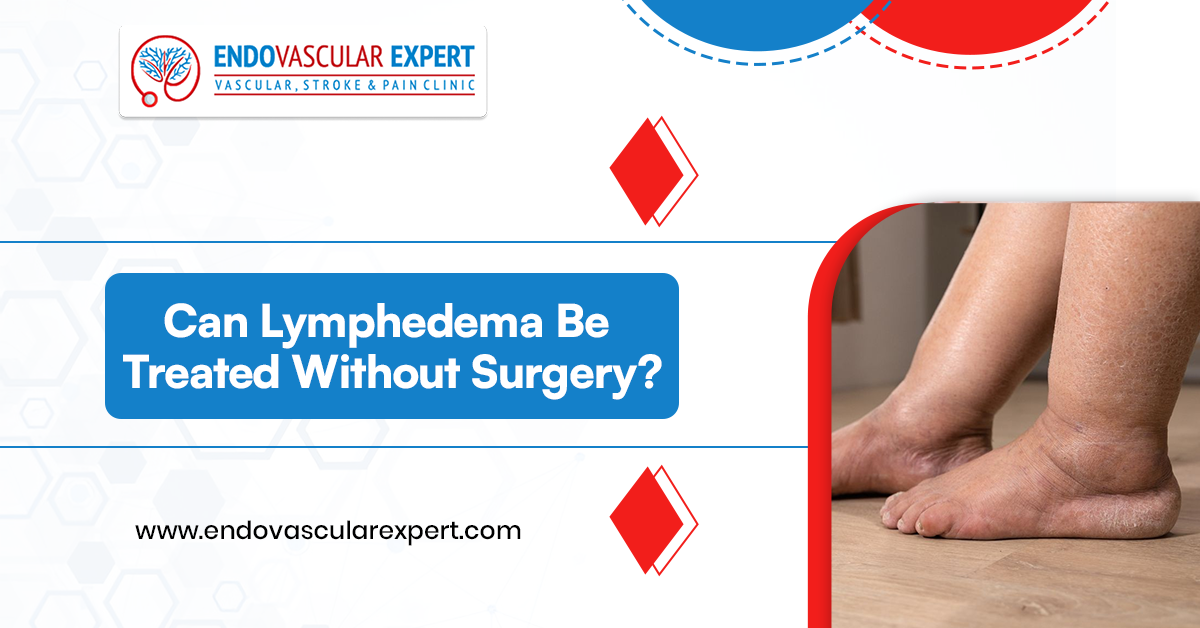
When you are diagnosed with lymphedema, you may have many questions. One of the first questions is frequently, “Will I need surgery?” Well, the answer is not always yes. Lymphedema Be Treated Without Surgery – in many situations, especially when it is identified early. With proper care and a little patience, the swelling may frequently be controlled without surgery.
What Is Lymphedema?
Lymphedema is the accumulation of lymph fluid that doesn’t drain properly. Instead of passing through the lymphatic system, it starts to build up in the tissues, causing them to enlarge. It most commonly affects an arm or a leg, but other areas can be affected too.
It can develop because of:
- Lymph node removal during cancer treatment
- Radiation therapy
- Certain infections
- Injury to the lymphatic system
- A condition present from birth
At first, the swelling may come and go. That’s why many people ignore it. Over time, however, it can become more noticeable and may start affecting daily life.
Can Lymphedema Be Treated Without Surgery?
Yes, in many circumstances. Lymphedema treatment can be done without surgery. Therapies include compression therapy, special massage, exercise, and proper skin care. These techniques can help decrease swelling, improve movement, and stop the condition from progressing. Surgery is usually only used when the treatments have not worked well enough.
What Treatments Can Help?
- Compression Therapy: This is usually the initial step.
Compression sleeves, stockings, or bandages can provide gentle support for the swollen area and prevent excess fluid from building up. They don’t cure lymphedema overnight, but wearing them routinely can help to make the swelling more manageable.
Size and pressure count, so your doctor will tell you which compression garment is best for you. - Manual Lymphatic Drainage (MLD): Despite the name, this isn’t a normal body massage. Manual Lymphatic Drainage, or MLD, is a gentle technique performed by a trained therapist. Light hand movements encourage lymph fluid to move towards healthy lymph vessels, where it can drain more easily.
Exercise Helps More Than You Think
People often avoid exercise because they’re afraid it will make the swelling worse. In reality, the right kind of movement usually does the opposite.
Getting about, such as walking, stretching, swimming or doing simple physiotherapy exercises, helps the muscles to circulate the lymph fluid around the body. Listen to your doctor and don’t overdo it; start slow.
Don’t Neglect Your Skin
Taking care of your skin is equally as vital as treating the swelling. The build-up of lymph fluid can increase the risk of infections in the skin. Even a little scratch, insect bite, or broken skin can escalate to severe problems if left untreated.
There are a few simple habits that can assist avoid this from happening:
- Maintain the afflicted area clean and dry.
- Apply a moisturizer once a day.
- Prevent cuts, burns, and bug bites as much as possible.
- Use gloves when gardening or doing house tasks.
- Call your doctor if you see redness, warmth, or fever.
Simple Lifestyle Changes Also Help
Managing lymphedema is not just medical treatment. A few easy everyday routines can also assist in keeping you ahead of the swelling. You can make lifestyle changes like:
- Be active with modest exercise.
- Avoid sitting or standing too long.
- Maintain a healthy weight.
- If you can, prop up the affected arm or leg.
- If your doctor recommends it, wear your compression garment.
These few things won’t cure lymphedema, but they can help lessen the swelling and keep it from becoming worse.
When Should You See a Doctor?
Don’t wait until the swelling is significant or interferes with your daily routine. The sooner lymphedema is diagnosed, the easier it is to treat. If you have any of the following, it’s a good idea to see a doctor:
- Constant swelling
- A heavy feeling or tightness in an arm or leg
- Difficulty moving the affected area
- Frequent skin infections
- Swelling following cancer treatment or lymph node surgery
If you want Lymphedema Treatment in Jaipur, then you must consult a skilled vascular specialist. The right pharmaceutical early treatment can help minimize the swelling and prevent it from getting worse.
Conclusion
So, Can Lymphedema Be Treated Without Surgery? For many people, yes. Surgery isn’t always the first or the only option. With early diagnosis, the right treatment, and a little consistency, the swelling can often be managed well. If you notice symptoms that don’t improve, don’t ignore them. Getting medical advice early can make a real difference.