


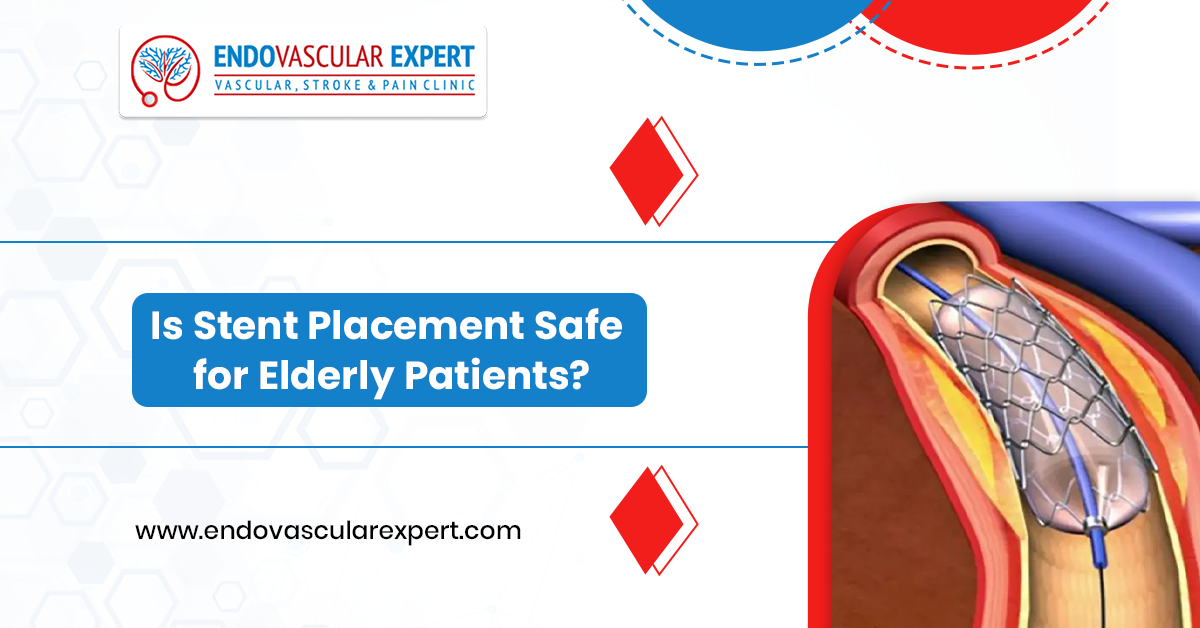
When a doctor recommends a stent procedure, one of the first concerns patients and families usually have is whether it is truly Safe for Elderly Patients. This is a legitimate concern. When people get older, they usually have many health problems. So, any health procedure seems more horrible. The good news is that stent placement is a common procedure in older adults and, in many cases, can help improve blood flow, reduce symptoms, and improve quality of life. But safety is determined by careful patient assessment, not by age alone.
Why Is a Stent Recommended?
A stent is usually recommended when blood flow through an artery becomes restricted. When this happens, the body may not receive enough oxygen-rich blood in the affected area. The change is often gradual rather than sudden. Many people continue with their routine for months before realising how much their symptoms have increased.
Common signs include:
- Pain while walking
• Cramping in the legs
• Cold feet or lower legs
• Slow-healing wounds
• Reduced ability to stay active
Many elderly patients assume these problems are simply part of ageing. In some cases, poor circulation may be playing a bigger role than age itself.
Is Stent Placement Safe for Elderly Patients?
The answer is often yes. However, the decision is never based on age alone. One of the largest myths is that the elderly patient is a poor candidate for vascular procedures by virtue of their age. Doctors actually look beyond age. A healthy, active 80-year-old may tolerate a procedure very well, but a younger patient with many uncontrolled medical conditions may have greater risks. That is why, before recommending a stent, specialists carefully assess:
- Physical health in general
- Pre-existing heart conditions
- Blood pressure and diabetes control
- Kidney function
- Medications now taken
- Extent of artery blockage.
What do doctors look for before recommending a stent?
Families often think that age is the deciding factor. Indeed, the specialist considers several important issues before recommending treatment. These might include:
- Cardiovascular health
- Kidney function
- Control of Blood Pressure
- Managing diabetes
- Medications presently taken
- Severity of blockage
This assessment helps doctors decide whether the expected benefits are worth the possible risks.
What Changes After Treatment?
Most patients don’t talk about the procedure itself once they are on the road to recovery. Rather, they experience small improvements in their day-to-day lives. Walking might be easier, daily activities might need less stopping, and moving can become easier than before. Results differ from person to person, but many patients notice
- Improves blood circulation
- Walking with less pain
- Enhanced mobility in daily activities
- Improved healing in conditions related to circulation
- Greater self-confidence and independence in everyday life
What About Recovery?
Families often worry the most about the recovery part. Many picture long hospital stays or weeks of strict bed rest. Luckily, this is not always so.
Since stent placement is a minimally invasive procedure, recovery is often easier than you might think. The majority of patients gradually resume their normal activities as per the advice of their physician. Recovery usually involves:
- Walking is getting easier over time
- Less pain on movement
- Better endurance throughout the day
- Increased confidence to continue to be active
Are There Any Risks?
There are some risks associated with stent placement, like any medical procedure, but serious complications are rare.
- Bleeding at the place of treatment
- Infection
- Contrast dye reaction
- Re-narrowing of the artery over time
Doctors are careful to evaluate each patient before treatment, to minimize the risks as much as possible. To get guidance that’s personalised to you can consult with Dr Nikhil Bansal. Varicose veins specialist in Jaipur.
Final Thoughts
Is stent placement Safe for Elderly patients? In many cases, yes. Age is only one of the factors that determine whether someone would be a good candidate for treatment. Through careful evaluation, thorough planning, and vascular care, however, many seniors can experience improvement of circulation, mobility, and a more active, independent, and comfortable lifestyle.
FAQs
Is stent placement safe for elderly patients over 80?
Yes, many patients over 80 can safely undergo stent placement after a thorough medical evaluation.
How long does recovery take after stent placement?
Recovery time varies from person to person, but many patients are able to go back to normal activities in a short period of time if they follow their doctor’s instructions.
Can stent placement improve walking ability in elderly patients?
Yes, an increase in blood flow can help relieve pain, cramping, and discomfort associated with poor circulation.
Does age alone determine whether someone can have a stent?
No, doctors consider the general health of the patient, their medical conditions and how bad the blockage is to decide the best treatment.