


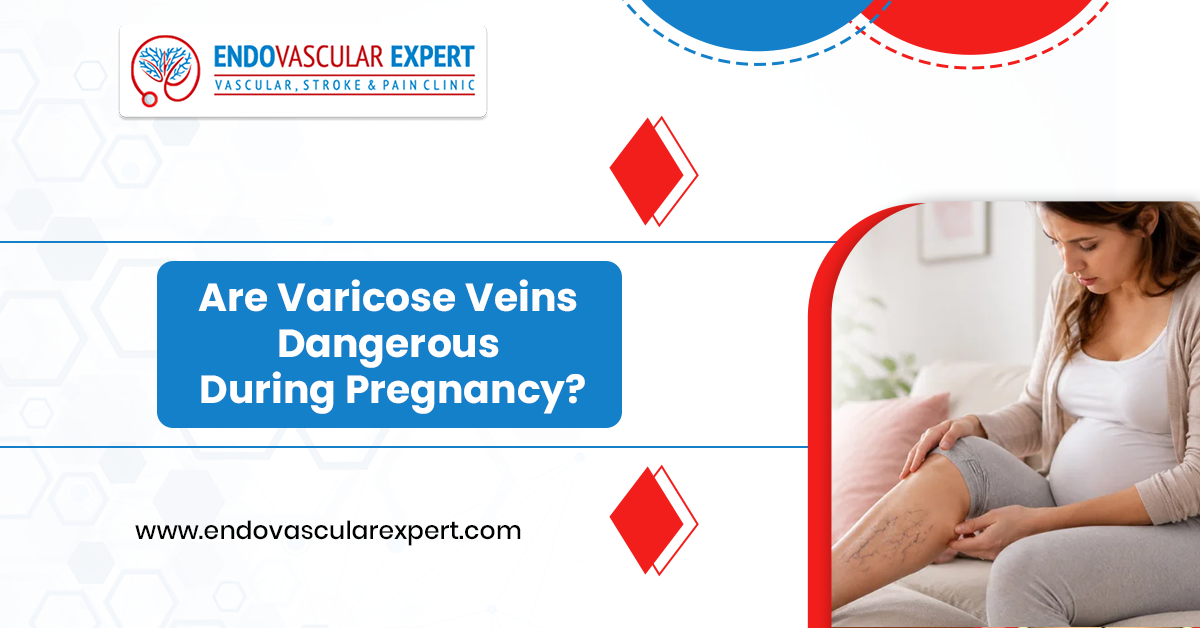
Pregnancy brings lots of changes, and one change that some women don’t expect is to get swollen, twisted veins on their legs. They may begin as a few visible veins and become more prominent as the pregnancy progresses. This often leads to a common question: Are Varicose Veins Dangerous in Pregnancy?
They’re not dangerous, mostly. They may be uncomfortable, but should not be ignored if symptoms become severe. Knowing why they happen and when to get medical help can help you feel confident in managing them during your pregnancy.
Why Do Varicose Veins Develop During Pregnancy?
During the course of pregnancy, women will observe that their veins are more visible than ever before. This is because pregnancy causes changes in the blood flow to different parts of the body. More blood is produced to nurture the baby, hormones dilate the vascular walls of arteries and veins, and add on all that with the increasing size of the uterus, putting pressure on pelvic and leg veins. Together, these changes can make it harder for blood to return to the heart, causing veins to become enlarged and more noticeable.
Some women are more likely to develop varicose veins if they:
- Have a family history of vein problems
• Have experienced previous pregnancies
• Spend long periods standing or sitting
• Had visible veins before pregnancy
For some women, the veins remain small and cause little trouble. For others, they become more noticeable during the later months of pregnancy.
Then the next question arises: Are the Varicose Veins Dangerous During Pregnancy
In most cases, no. The appearance of the veins is often more alarming than the condition itself. Many women continue their pregnancy without any serious complications related to varicose veins.
What they notice instead is discomfort, like:
- The woman may feel discomfort in the leg earlier than usual.
- There may be aching, heaviness, or mild swelling around the ankles.
- Some women describe it as a throbbing sensation, and some may face a standing problem that has become even worse than before.
Although serious complications are uncommon, it is important not to ignore unusual symptoms. Understanding the difference between normal discomfort and warning signs helps ensure that potential problems are recognised early.
When A Vein Problem Shouldn’t Be Ignored
Most varicose veins that develop during pregnancy don’t require emergency treatment. But always talk to a healthcare professional about any changes. Watch out for:
- Rapid swelling of one leg
- Intense pain in a blood vessel
- More warmth or redness in the area
- Changes in the color of the skin near the vein
- Bleeding of a varicose vein
These symptoms don’t necessarily indicate there’s anything serious going on, but they should never be ignored without proper medical advice.
How Can Varicose Veins Affect Daily Life?
Many women notice that varicose veins become more visible as pregnancy progresses. This is because pressure on the veins continues to increase as the baby grows. Some women experience:
- Leg heaviness at the end of the day
• Discomfort after standing for long periods
• Swelling around the ankles
• Itching around visible veins
Although these symptoms can be frustrating, they often improve once the baby is born and pressure on the veins decreases
Small Changes That Often Make a Big Difference
Sometimes, to deal with discomfort, you don’t need fancy things. Many women feel better if they are not in the same position for too long. A little walk, to stretch the legs or just to change position regularly, can help improve circulation. The usual prescription is:
- Walking regularly
- Raising the legs when lying down
- Staying active in pregnancy
- Sleeping on the left side when comfortable
- Do not stand or sit for long periods of time
- Use compression stockings if recommended
While these measures may not make the veins disappear, they can often help to reduce discomfort and improve day-to-day comfort.
When Should You Consult A Specialist?
The majority of the varicose veins that occur during pregnancy get better after you give birth, once the pressure on your veins starts to reduce. But any symptoms of increasing pain, major swelling, skin changes, or discharge must not be missed. If the discomfort is increasing or interfering with day-to-day activities, one should see Dr. Nikhil Bansal, a varicose veins Surgeon in Jaipur, to get evaluated and advised accordingly.
Final Thoughts
The majority of women with varicose veins have uncomplicated pregnancies and healthy babies. While Varicose Veins Dangerous During Pregnancy is a very common question among pregnant women, it can be treated without any risk with the right care and prevention. Being aware of abnormal signs and seeking medical attention when needed may help to make a pregnancy a more pleasant experience.