


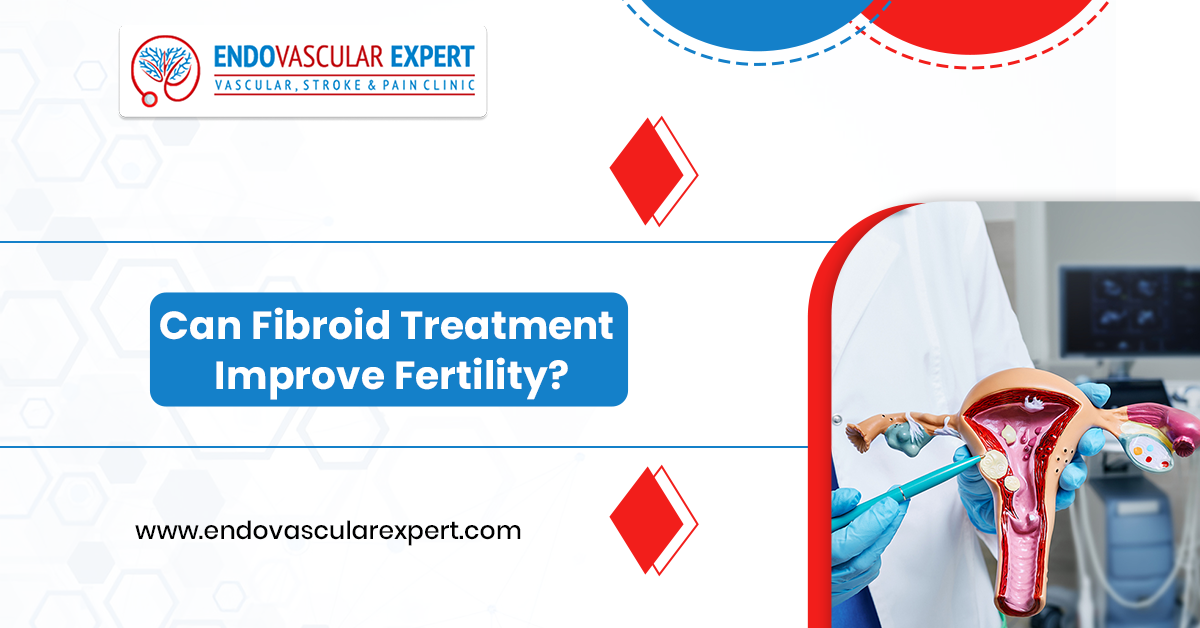
If you were recently diagnosed with fibroids and are thinking of getting pregnant, you may have lots of questions about your fertility. Moreover, some fibroids do not cause any problems, while others can make it difficult to conceive or carry a pregnancy. So, where question arise? Shall we start the treatment? Does Fibroid Treatment Improve Fertility? Then let’s dive into the details and understand what doctors look for before recommending treatment.
Understanding the Link Between Fibroids and Fertility
One thing fertility specialists often notice is how worried patients become the moment they hear the word fibroid. The reality is that fibroids behave differently from one woman to another. A small fibroid inside the uterine cavity may sometimes cause more concern than a larger fibroid growing on the outside of the uterus. That is why location matters so much.
A fibroid may affect fertility by:
- Reducing the space available for implantation
- Changing the shape of the uterine cavity
- Affecting blood flow to the uterine lining
- Increasing the risk of miscarriage in some cases
- Making certain fertility treatments less successful
Which Types of Fibroids Are More Likely to Affect Pregnancy?
Not all fibroids influence fertility in the same way.
- Submucosal fibroids grow into the uterine cavity and have the greatest likelihood of impacting implantation and early pregnancy.
- Intramural fibroids grow within the wall of the uterus and may cause infertility if they become large enough to change the shape of the uterine cavity.
- Subserosal fibroids develop on the exterior surface of the uterus and most typically do not interfere with fertility.
Note: Many women are surprised to learn that one fibroid in the wrong location can be more significant than several fibroids elsewhere.
Signs That Fibroids May Be Affecting Your Fertility
Further evaluation may be needed for some signs, such as:
- Difficulty conceiving
- Recurrent miscarriages
- Heavy menstrual bleeding
- Pelvic pressure or discomfort
- Failed IVF cycles
- Need to urinate multiple times due to larger fibroids
Those signs alone don’t mean you have fibroids, but they are a good reason to investigate your reproductive health further.
Can Fibroid Treatment Improve Fertility?
This is a common question many women ask after seeing fibroids on their scan reports. The answer depends on whether the fibroid is actually interfering with the uterus or implantation. In these situations, treatment can enhance fertility and result in a healthy pregnancy. Doctors may suggest treatment if:
- The fibroid is expanding within the uterine cavity
- There have been repeated miscarriages
- You are not pregnant even though you have regular attempts
- IVF treatments have not been effective
That said, not all women need treatment. Some fibroids do not affect fertility at all, and this is why the decision is always based on early diagnosis.
How Doctors Decide Whether Fibroid Treatment Is Necessary
During a consultation, doctors usually discuss:
- Fibroid size
- Fibroid location
- Age and ovarian reserve
- Pregnancy plans
- Previous miscarriages
- Fertility treatment history
- Current symptoms
Which treatment helps fibroid treatment improve fertility?
Myomectomy: Myomectomy removes fibroids while preserving the uterus. It is commonly recommended for women who want to become pregnant in the future and have fibroids that may be affecting fertility.
Hysteroscopic Fibroid Removal: This procedure is used for fibroids growing inside the uterine cavity. Because it targets the area most closely linked to implantation, it can be an important option for selected patients.
Minimally Invasive and Image-Guided Treatments: Modern treatment approaches have expanded the available options. Depending on the type of fibroid and fertility goals, some women may benefit from procedures that involve smaller incisions and shorter recovery periods.
When Should You Consult a Specialist?
It may be worthwhile to speak with a specialist if you’ve been unable to get pregnant and/or have suffered multiple miscarriages. This early assessment helps determine if your fibroids are hindering fertility and if treatment can increase your chances of conception.
Consultation is something you would want to consider if:
- Regular attempts at making a baby are not leading to pregnancy
- Recurrent miscarriages have occurred
- Fibroids were detected during fertility investigations
If you have been newly diagnosed and want Uterine Fibroids Treatment in Jaipur, then consult with Dr. Nikhil Bansal, who is an expert and can evaluate your situation further to customise the best treatment approach for you according to your fertility needs.
Final Takeaway
It is important to understand that having fibroids does not exempt you from being able to conceive. Most pregnant women with fibroids go on to have normal pregnancies. If a fibroid is affecting conception, Fibroid Treatment Improve Fertility by addressing the factors that may be interfering with pregnancy. With a correct diagnosis and prompt treatment, you move forward with confidence.