


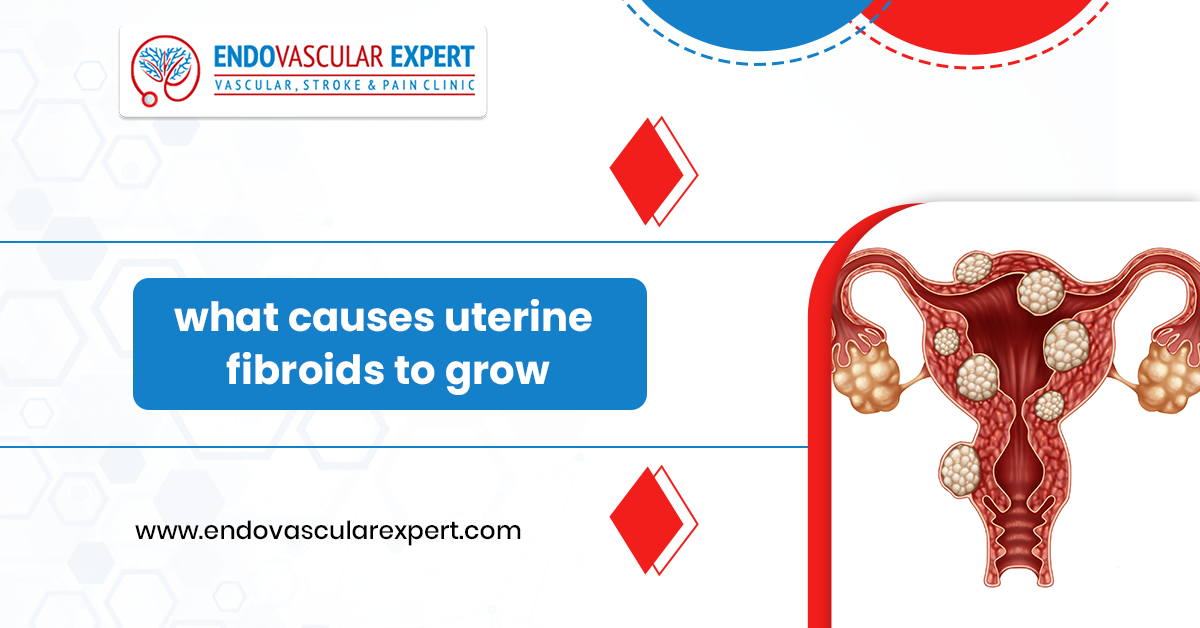
Sarah was dealing with heavy periods for almost two years. She kept blaming her diet for bloating issues . Then one ultrasound changed everything for her.
Her doctor’s first question wasn’t about the fibroids themselves. It was totally about “how long do you think these have been growing?”
That’s the uncomfortable truth about uterine fibroids. They grow quietly. For months. Sometimes years. And women don’t know until the symptoms force them to find out.
What Exactly Are Uterine Fibroids?
Uterine fibroids, also called leiomyomas or myomas, are made up of smooth muscle and fibrous connective tissue. They can vary significantly in size — from as small as a pea to as large as a melon. Some fibroids grow slowly over many years, while others may enlarge more rapidly. Though benign, fibroids can still cause considerable discomfort and interfere with a woman’s quality of life.
They don’t always cause symptoms. A lot of women walk around with fibroids for years and never know. But when they do cause problems, the symptoms can genuinely depend on daily lifestyle.
The Main Causes Uterine Fibroids To Grow
Here are some of the main causes of Uterine Fibroids Growth:
- Hormones: Estrogen and progesterone can encourage fibroids to grow, which is why they are most common during the reproductive years.
- Family History: If your mother or sister had fibroids, your chances of developing them are higher.
- Age: Fibroids are most often seen in women when they age between 35 and 54.
- Pregnancy History: Women avoiding pregnancy may have more chances of uterine fibroids growth than pregnant moms.
- Weight & Vitamin D: Obesity and low vitamin D levels are considered as the indirect cause of uterine fibroids growth.
When Do Fibroids Grow Fastest?
Pregnancy is when fibroids often grow the quickest, because estrogen surges dramatically. Some women discover their fibroids for the first time during a pregnancy ultrasound. Studies show that fibroids tend to grow when hormone levels are higher and shrink when hormone levels drop during the transition to menopause.
Stress, poor sleep, and high-processed diets are not the direct cause of uterine fibroids growth but they can affect hormone regulation in ways that indirectly create an environment where fibroids thrive.
Symptoms That Should Make You Act
Heavy or prolonged periods, pressure or pain in the pelvis, frequent urination, lower back pain, or difficulty emptying the bladder, all these are the body’s way of saying the fibroids have grown large enough to demand attention. Don’t dismiss any of these as “just period problems.”
Understanding the causes uterine fibroids to grow is step one. Step two is getting evaluated. The earlier a fibroid is caught and assessed, the more treatment options are on the table — including non-surgical interventions like uterine fibroid embolization that don’t require open surgery or prolonged recovery.
If you’ve been experiencing unexplained pelvic symptoms or heavy bleeding, consulting a Uterine Fibroids Surgeon in Jaipur could be the most important decision you make this year.l
About the Doctor
Dr. Nikhil Bansal is one of the greatest Interventional Radiologists. He completed his MBBS from Jawaharlal Nehru Medical College, Wardha, and MD in Radiology from Mahatma Gandhi Medical College & Hospital, Jaipur. His advanced training includes an elective rotation at McGill University, Canada, an Externship in Interventional Radiology at Tata Memorial Hospital, Mumbai, and specialised fellowships in image-guided and pain management procedures. Dr. Nikhil Bansal has particular expertise in minimally invasive treatments for uterine fibroids, including Uterine Fibroid Embolization (UFE), offering a non-surgical alternative to conventional surgery.