


Dr. Nikhil Bansal
Best Vascular Surgeon in Jaipur
MD, PGDHHM, FVIR, FIPM
Consultant Endovascular & Interventional Radiologist
Dr. Nikhil Bansal is the best vascular surgeon in Jaipur offering treatment for all vascular diseases
including Varicose veins, DVT, peripheral artery disease, varicose veins, etc.
Book an appointment now at +91-9782415566.
Conditions Treated by the Best Vascular Surgeon in Jaipur
Condition Treated By Best Vascular Surgeon in Jaipur – Dr. Nikhil Bansal
A vascular surgeon in Jaipur treats various conditions related to the blood vessels and circulatory system. Some common conditions treated by vascular doctor in Jaipur include:
Peripheral Arterial Disease (PAD):
This condition involves narrowing or blockage of arteries outside the heart and brain, typically in the legs. Vascular surgeons can perform procedures like angioplasty, stenting, or bypass surgery to restore blood flow.
Aneurysms:
Vascular surgeons treat both abdominal and thoracic aortic aneurysms, which are weakened areas in the walls of the aorta that can potentially rupture if left untreated. Surgical repair is often required for larger aneurysms.
Carotid Artery Disease:
This involves blockages or narrowing of the carotid arteries in the neck, which can lead to stroke. Vascular surgeons can perform carotid endarterectomy or stenting to reduce the risk of stroke.
Varicose Veins and Venous Disease:
Vascular surgeons manage conditions like varicose veins, chronic venous insufficiency, and deep vein thrombosis (DVT) using minimally invasive techniques like sclerotherapy, laser therapy, or vein ablation.
Renal and Mesenteric Artery Disease:
Conditions affecting the arteries supplying the kidneys or intestines can be treated by vascular surgeons through procedures like angioplasty and stenting.
Thoracic Outlet Syndrome:
This involves compression of nerves and blood vessels in the upper chest area, leading to symptoms like arm pain and numbness. Vascular surgeons can address this condition surgically if conservative treatments fail.
Diabetic Vascular Disease:
Vascular complications in diabetic patients, such as peripheral artery disease or diabetic foot ulcers, often require intervention by Best Vascular surgeon in Jaipur to improve circulation and prevent amputation.
Lymphedema:
A Best Vascular surgeon in Jaipur may also treat lymphatic system disorders like lymphedema, which involves swelling due to lymphatic fluid buildup.
Looking for a Best Vascular Surgeon in Jaipur? Contact us!
Searching for an vascular doctor in Jaipur who can give you proper consultation and treatment for DVT, Varicose Veins, PAD and other vascular diseases?
Then here we are. Contact us immediately!
Meet Our Expert
Dr. Nikhil Bansal – Leading Vascular Surgeon in Jaipur
Dr. Nikhil Bansal (Vascular Specialist in Jaipur), MD, PGDHHM, FVIR, FIPM, is regarded as one of the top-rated vascular surgeon in Jaipur, with over 13 years of extensive experience in his field. As a Consultant in Endovascular & Interventional Radiology, Dr. Bansal brings specialized expertise in treating a range of vascular conditions. His areas of proficiency include addressing Varicose Veins, Deep Vein Thrombosis (DVT), Peripheral Artery diseases, Uterine Fibroids, Varicocele, and various other vascular disorders. Patients benefit from Dr. Bansal’s comprehensive approach to vascular care, leveraging advanced techniques and technologies in interventional radiology.
His dedication to improving patient outcomes and his commitment to excellence make him a trusted choice for those seeking effective treatment for vascular health issues in Jaipur.

15
years of
experience
- Hepatobiliary and GI Intervention
- Arterial Interventions
- Venous Interventions
- Nephrology/Urology interventions
- Pulmonology
- Interventional Oncology
- Gynecological Interventions
- Neuro and head/neck interventions
- Lymphatic interventions
- Laser Therapy for Varicose Veins
- Male and Female Infertility(Fallopian Tube Recanalization, Uterine Fibroid Embolization, Varicocele Embolization),
- Interventional Oncology (TACE, TARE, TIPS, BRTO,RFA, Microwave Ablation),
- Peripheral Vascular Disease (Foot Ulcers Management, Stenting in Peripheral Vascular Diseases) Prostatic Artery Embolization for BPH Uterine fibroid Embolization,
- Varicocele Treatment,
- Liver Tumor Management,
- Aortic aneurysm treatment (EVAR),
- Arterio-Venous Fistula Management,
- Venous Malformation,
- Radiofrequency Ablation for Osteoid Osteoma, Neuro Interventions, Hepato-biliary diseases
- Received sponsorship from Panasonic Inc. for Cardio Health Station
- Worked on the Happy & Cardiac project in the American College of Cardiology
- Also have experience in handling experimental robotic arm equipment used for 3D vascular reconstruction.
- TIFAC-Core
- Tata Memorial Hospital, Mumbai
- Lokmanya Tilak Hospital, Mumbai
- Sick Kids, Toronto
- Royal Victoria Hospital, Montreal
- Montreal Children’s Hospital Montreal
What are vascular diseases?
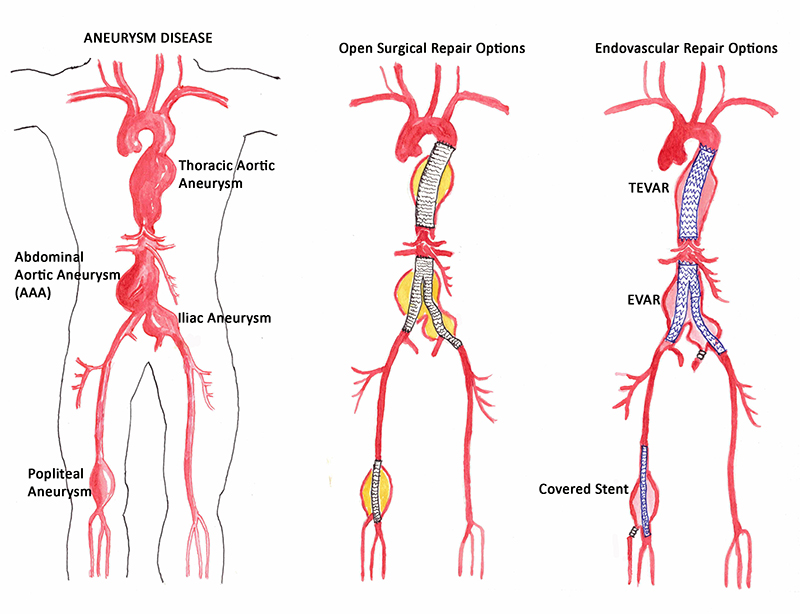
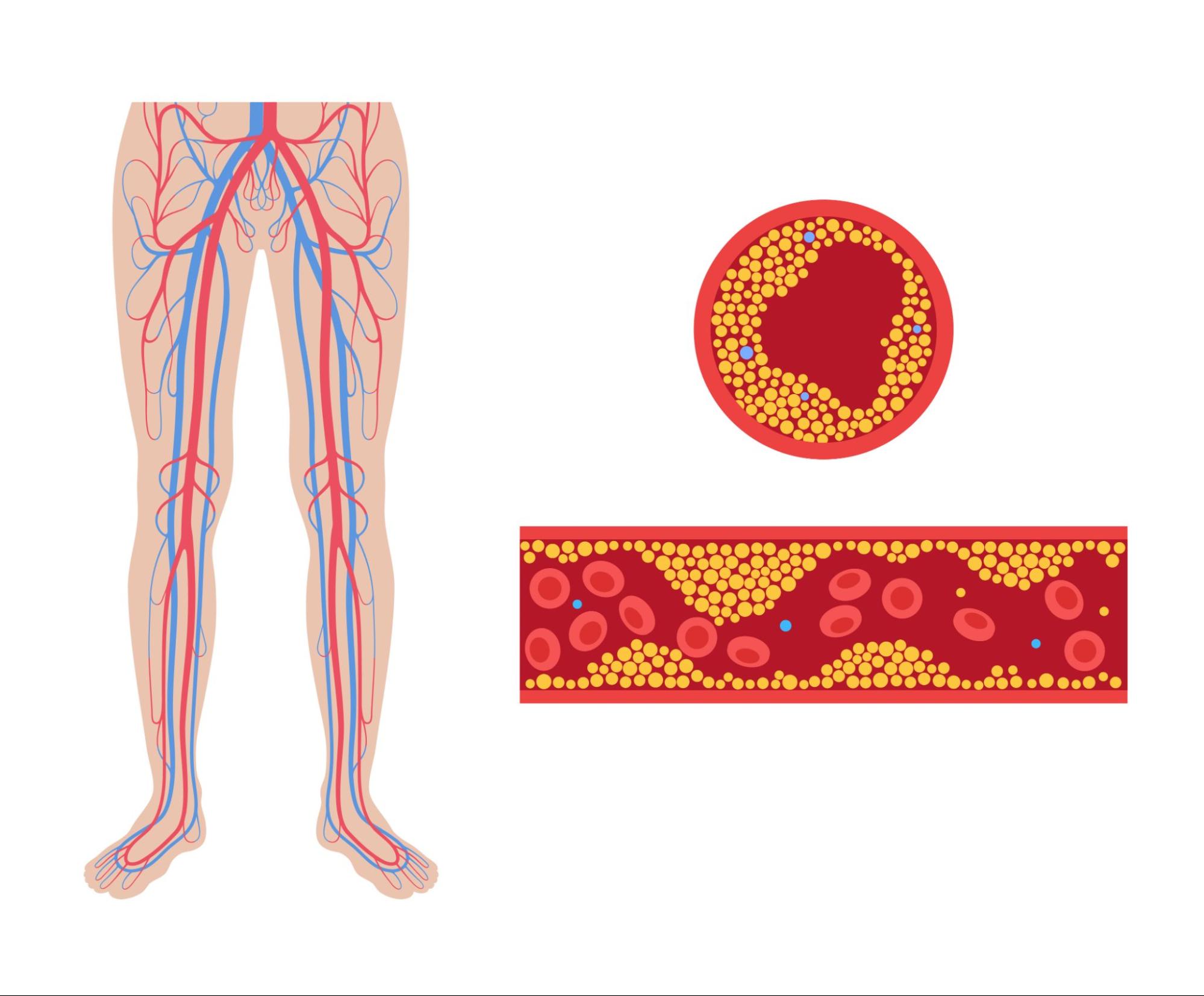
Vascular diseases refer to conditions that affect the blood vessels, which include arteries, veins, and capillaries throughout the body. These diseases disrupt the normal flow of blood and can lead to serious health consequences. Common vascular diseases include atherosclerosis, peripheral artery disease (PAD), aneurysms, deep vein thrombosis (DVT), and varicose veins.
Atherosclerosis is a major vascular disease characterized by the buildup of plaque inside arteries, narrowing them and restricting blood flow. PAD specifically affects the arteries supplying blood to the extremities, typically causing leg pain and cramping during physical activity. Aneurysms are weakened areas in artery walls that can bulge and potentially rupture, posing life-threatening risks. DVT involves blood clot formation within deep veins, often in the legs, which can lead to pulmonary embolism if the clot dislodges and travels to the lungs. Varicose veins occur when veins become enlarged and twisted, usually in the legs.
Early detection and management of vascular diseases are crucial to prevent complications like heart attack, stroke, tissue damage, and organ failure.
Types of Vascular Diseases
Vascular diseases encompass a range of conditions affecting the blood vessels throughout the body. Some common types of vascular diseases include:
- Atherosclerosis: This is a condition where fatty deposits (plaques) build up inside arteries, narrowing them and restricting blood flow. It can lead to heart attack, stroke, or peripheral artery disease (PAD).
- Peripheral Artery Disease (PAD): PAD occurs when arteries in the legs become narrowed or blocked by atherosclerosis, causing reduced blood flow to the limbs. This can result in leg pain, numbness, and difficulty walking.
- Aneurysm: An aneurysm is a weakened and bulging area in the wall of an artery. Aneurysms can occur in various locations, such as the aorta (the main artery carrying blood from the heart), and may rupture, causing life-threatening bleeding.
- Deep Vein Thrombosis (DVT): DVT is the formation of blood clots in deep veins, typically in the legs. If a clot breaks loose and travels to the lungs, it can cause a pulmonary embolism, which is a medical emergency.
- Varicose Veins: Varicose veins are enlarged, twisted veins that usually appear in the legs. They can be a result of weakened vein walls and faulty valves, causing blood to pool and veins to swell.
- Raynaud's Disease: This condition causes small arteries in the fingers and toes to spasm in response to cold or stress, leading to reduced blood flow and color changes in the affected areas.
Treatment of vascular disease
The treatment of vascular diseases depends on the specific condition and its severity. Here are some common approaches used in managing vascular diseases:
- Lifestyle Modifications: This includes adopting a healthy diet low in saturated fats and cholesterol, regular exercise, maintaining a healthy weight, quitting smoking, and managing conditions like diabetes and high blood pressure.
- Medications: Medications may be prescribed to manage symptoms and underlying causes of vascular diseases. This can include cholesterol-lowering drugs (statins), antiplatelet medications (aspirin, clopidogrel) to prevent blood clots, blood pressure medications, and medications to control blood sugar levels in diabetes.
- Minimally Invasive Procedures: Many vascular conditions can be treated using minimally invasive techniques such as angioplasty and stenting. Angioplasty involves inflating a balloon inside a narrowed artery to improve blood flow, and a stent may be placed to keep the artery open.
- Surgery: In cases where minimally invasive procedures are not feasible, traditional open surgeries such as bypass grafting or endarterectomy may be performed to restore blood flow to affected areas.
- Compression Therapy: Compression stockings or wraps may be used to improve circulation and reduce swelling in conditions like varicose veins or chronic venous insufficiency.
Why Choose Dr. Nikhil Bansal As a Vascular Surgeon in Jaipur?
Choosing Dr. Nikhil Bansal as a vascular surgeon in Jaipur offers several compelling reasons:
- Expertise and Experience: Dr. Nikhil Bansal is a highly qualified vascular surgeon with extensive experience in diagnosing and treating a wide range of vascular diseases. He has undergone specialized training and possesses advanced skills in vascular surgery.
- Comprehensive Care: Dr. Bansal provides comprehensive care, offering both surgical and non-surgical treatment options for vascular conditions. He takes a holistic approach, considering each patient's unique needs and preferences.
- Advanced Treatment Techniques: Dr. Bansal utilizes the latest advancements in vascular surgery, including minimally invasive procedures such as angioplasty, stenting, and endovascular surgery. These techniques often result in faster recovery times and fewer complications.
- Patient-Centered Approach: Dr. Bansal prioritizes patient well-being and takes the time to educate patients about their condition and treatment options. He emphasizes open communication and ensures that patients are involved in decision-making regarding their care.
- Positive Patient Feedback: Dr. Bansal's patients often provide positive feedback, highlighting his compassionate bedside manner, attention to detail, and successful treatment outcomes.
Work Shedule
Get In Touch In The
Mean Time.
Your questions and queries are important to us. Ask us whatever query you have for your disease. We’ve expert to resolve all your queries.
- Monday – Saturday 09:00 AM – 08:00 PM
- Sunday – Closed
Want to Visit Our Clinic? Please Get In Touchwith us
